Address
304 North Cardinal
St. Dorchester Center, MA 02124
Work Hours
Monday to Friday: 7AM - 7PM
Weekend: 10AM - 5PM
Address
304 North Cardinal
St. Dorchester Center, MA 02124
Work Hours
Monday to Friday: 7AM - 7PM
Weekend: 10AM - 5PM

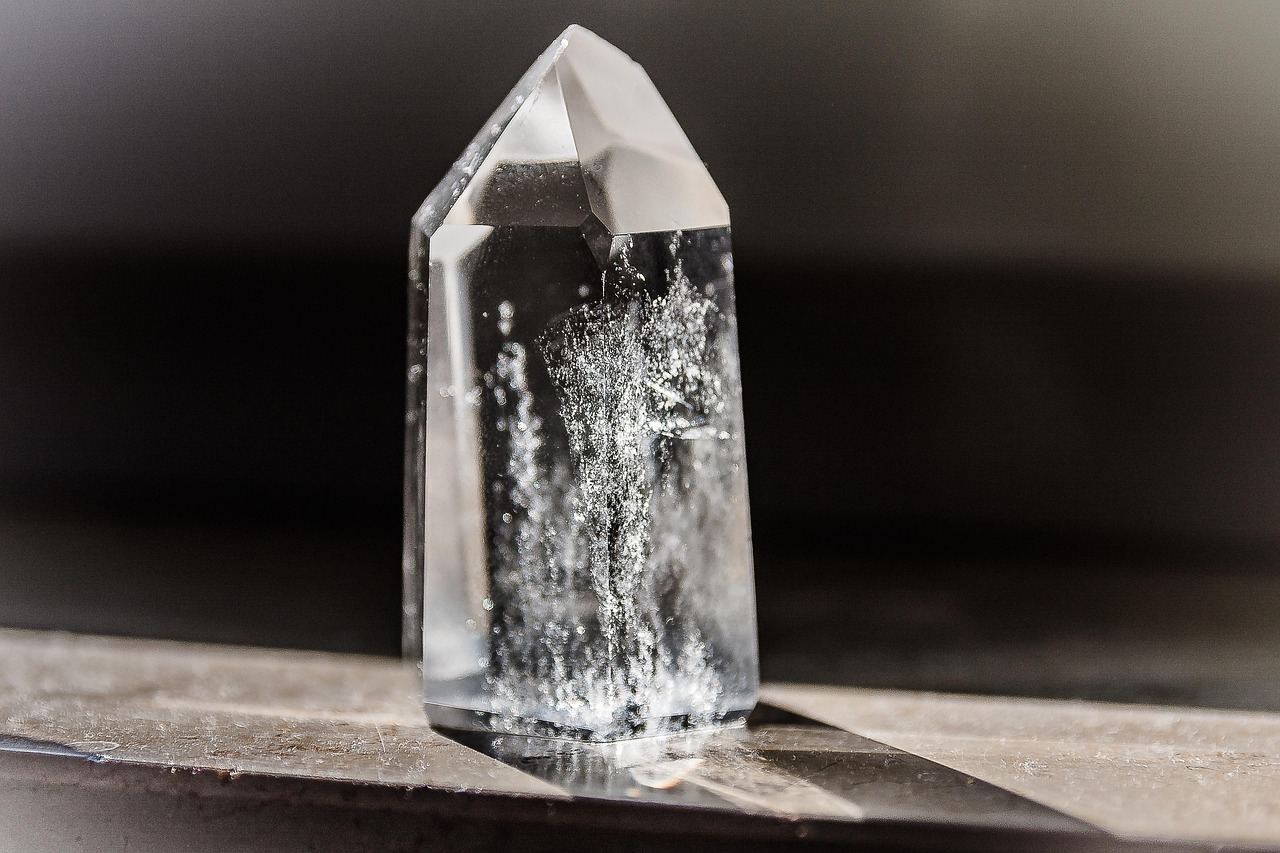
After mineral-rich water dries or heats, it leaves calcium and magnesium residue on surfaces. The white crust on faucets, cloudy glass, and scale inside appliances come from those minerals, not dirt, and repeated deposits can make fixtures harder to clean.
You’ll learn where hardness comes from, how to identify scale, test your water, clear existing deposits, and choose a long-term response for your home.
Clear water can carry substantial mineral content without changing its appearance. Calcium and magnesium remain dissolved while water moves through your pipes, so your faucet may deliver water that looks clean and still leave residue later.
Your hard water buildup starts after water evaporates or heats. As water leaves a surface as vapor, dissolved minerals stay behind in a smaller amount of liquid until solids form on glass, metal, ceramic, and appliance parts.
The chalky white crust on a showerhead is called limescale. It is a mineral deposit, commonly rich in calcium carbonate, that clings to metal, ceramic, glass, and internal appliance parts after repeated contact with hard water.
Unlike ordinary soil, limescale does not rinse away with plain water. Its rough surface holds more residue over time, so a thin ring around your faucet can become a stubborn collar near the base.
Rainwater begins with low mineral content, then collects hardness minerals underground. Groundwater moving through limestone, dolomite, gypsum, and mineral-rich soil dissolves calcium and magnesium before reaching a private well or municipal water supply.
That underground route explains why water hardness changes between towns and nearby wells. A municipal water supply may draw from a river, reservoir, aquifer, or groundwater source, each with its own mineral profile.
Repeated wetting and drying makes bathrooms especially prone to scale buildup. A shower door can collect a faint white haze after each use, then develop rough hard water stains on glass after several weeks without wiping.
At 140°F, water heaters face greater mineral stress as calcium carbonate precipitates more readily. Water heaters, kettles, coffee makers, dishwashers, and hot-water plumbing can collect deposits faster than a cold-water faucet.
Your electric kettle shows the process on a small scale. After dozens of boiling cycles, a pale layer can appear on the heating plate even though the water looked clear before heating.
Scale inside a water heater acts as an insulating layer between the heating source and water. That layer can slow heat transfer, add noise during heating, and leave you with more appliance descaling work.
Those effects often arrive alongside everyday signs that make mineral-rich water easier to recognize.
A faucet aerator with weak flow offers a practical clue. Minerals can clog its tiny screen holes, while the same supply leaves crust near handles, spots on dishes, and residue along a shower door’s lower edge.
Your skin and hair can feel different after washing in mineral-rich water, though results differ from home to home. Dry-feeling skin, dull hair, and a filmy sensation after bathing are sometimes grouped under the casual phrase “hard water syndrome,” but that phrase is not a medical diagnosis.
Hard water is mainly a household-performance issue, not an acute health emergency. Persistent skin irritation deserves a conversation with a medical professional rather than an assumption that minerals are the sole cause.
Poor lather links the visible clues to the chemistry behind them. Soap reacts with calcium and magnesium, producing residue that can resemble limescale but needs a different cleaning method.
A white crust and a brown stain need different responses. Texture, color, and location help you separate mineral scale from oils, corrosion, soap residue, and daily grime before choosing a cleaner.
| Material | What you see | What caused it | Starting response |
|---|---|---|---|
| Limescale | Hard, chalky white or gray crust | Calcium and magnesium left after drying or heating | Use a surface-safe mild acid |
| Soap scum | Waxy, dull film with a greasy feel | Soap ingredients reacting with hardness minerals | Use a bathroom cleaner with surfactants |
| Rust staining | Orange-brown streaks or rings | Iron corrosion or iron in water | Use a rust-specific cleaner and inspect plumbing |
| Ordinary grime | Dark soil, body oils, or sticky residue | Daily use and surface contamination | Wash with detergent before descaling |
Scale tends to feel gritty and hard under your fingernail. A surface-safe mild acid, such as diluted white vinegar or citric acid, dissolves light mineral crust because acid reacts with calcium carbonate.
Soap scum needs more than acid alone because its waxy layer includes fatty soap compounds and body oils. Clear that film with a surfactant-based bathroom cleaner, then remove any remaining mineral residue.
Orange-brown staining points toward rust rather than calcium scale. Your plumbing deserves closer attention where corrosion appears around joints, valves, or a water heater connection.
Because similar stains can signal different problems, measuring hardness helps separate a mineral issue from a plumbing concern.
A water report turns vague bathroom clues into useful numbers. Water hardness levels appear as milligrams per liter, parts per million as calcium carbonate, or hardness grains per gallon (GPG), a U.S. unit used for household water systems.
| Hardness category | mg/L or ppm as calcium carbonate | Grains per gallon | Household meaning |
|---|---|---|---|
| Soft | 0-60 | 0-3.5 gpg | Little mineral residue is expected. |
| Moderately hard | 61-120 | 3.6-7 gpg | Spots and cleaning residue can appear. |
| Hard | 121-180 | 7.1-10.5 gpg | Fixture scale and appliance deposits become more persistent. |
| Very hard | Above 180 | Above 10.5 gpg | Whole-home planning deserves serious attention. |
Your water can be hard without causing a plumbing crisis overnight. Very hard water means mineral concentration is high enough for faster accumulation, more frequent cleaning, and greater stress on appliances that heat water.
Confirm the number before spending money on equipment. A home water hardness test kit gives you a screening result, while a utility report or qualified water professional can identify local conditions in greater detail.
Water hardness testing belongs before a major equipment choice. A white showerhead deposit cannot show whether your source measures 4 GPG or 18 GPG.
Glass and chrome can look worse after aggressive scrubbing. Start by washing away loose grime with warm water and a mild cleaner, then match your descaling method to the deposit and surface.
Your removable showerhead can soak in diluted white vinegar or a suitable acidic descaler for a short period, followed by a thorough rinse. Use a soft brush around nozzles rather than a knife, wire brush, or abrasive pad.
Chrome, ceramic tile, sealed porcelain, and many glass surfaces tolerate brief contact with a mild acidic cleaner. Dry the area after rinsing so fresh droplets do not restart the evaporation cycle.
Marble, travertine, limestone, and some grout can etch under acidic cleaners. Your safer choice for natural stone is a stone-safe cleaner and a damp cloth, followed by drying rather than vinegar.
Appliance interiors need the manufacturer’s descaling instructions. Coffee makers and kettles contain seals, pumps, coatings, and heating parts that can suffer damage from the wrong solution or rinse cycle.
When careful cleaning becomes a recurring chore, reducing minerals at their source may save wear and effort.
Drying a shower door after use interrupts the cycle that leaves mineral rings near a faucet. Light, localized deposits respond well to routine wiping, prompt glass care, and scheduled appliance descaling.
Your next step changes once deposits return soon after cleaning. A repeated pattern across hot-water fixtures, dishes, and appliances points toward source-water hardness rather than a missed cleaning task.
A salt-based water softener uses ion exchange to remove calcium and magnesium from household water. Resin beads trade sodium or potassium ions for hardness minerals, reducing the material that forms scale.
For extremely hard water, this method offers the most direct long-term response because it lowers measured hardness throughout your home. Installation, drain access, maintenance, and local water conditions shape whether it fits your property.
A carbon filter can improve taste or reduce selected contaminants, but it does not automatically remove calcium and magnesium. Scale-control devices can alter deposit behavior in some setups, yet your measured hardness may remain unchanged.
Follow a practical order: identify the mark, clear it with surface-safe methods, check your hardness number, then seek professional input for persistent very hard water, plumbing scale, or repeated appliance failures.
The white residue on your fixtures began as dissolved minerals rather than poor housekeeping. Calcium and magnesium leave scale after drying or heating, so cleaning restores appearance without changing your source water. Your hardness result shows whether routine wipe-downs are enough or whether ion-exchange softening deserves closer attention.
Remove light mineral deposits from glass, chrome, ceramic tile, and removable showerheads with diluted white vinegar, citric acid, or a surface-safe descaler. Rinse and dry afterward. Your appliance should be cleaned only with the descaling method stated in its manufacturer instructions, and natural stone should never receive acidic cleaners.
White crust on faucets, reduced showerhead flow, cloudy dishes, spotted shower glass, poor soap lather, stiff laundry, and repeated kettle or coffee maker descaling all point toward mineral-rich water. Your utility report or a water hardness test kit can confirm whether those clues come from calcium and magnesium.
Dry-feeling skin, dull hair, bath residue, poor lather, and stiff fabrics fall under the informal label “hard water syndrome.” It is not a medical diagnosis. Your skin or hair response can differ from another household member’s, and persistent irritation deserves medical advice.
A reading above 180 mg/L as calcium carbonate, or 10 grains per gallon, indicates a highly mineralized household supply.5 grains per gallon. Your home can develop scale faster in water heaters, dishwashers, kettles, showerheads, and hot-water pipes, making regular maintenance and whole-home treatment more relevant.
Start with a hardness result from a test kit, utility report, or qualified water professional. For high readings throughout your home, a salt-based ion-exchange water softener removes calcium and magnesium more directly than a carbon filter or a device that only changes scale behavior.