Address
304 North Cardinal
St. Dorchester Center, MA 02124
Work Hours
Monday to Friday: 7AM - 7PM
Weekend: 10AM - 5PM
Address
304 North Cardinal
St. Dorchester Center, MA 02124
Work Hours
Monday to Friday: 7AM - 7PM
Weekend: 10AM - 5PM

AC vs. DC electricity in homes refers to the difference between reversing power at your wall outlet and one-way power inside batteries and electronics. Household electrical outlets supply alternating current (AC), while phones, batteries, and circuit boards use direct current (DC) after a power supply changes the incoming electricity.
You’ll see how voltage, frequency (60 Hz), transformers, adapters, solar equipment, and circuit ratings affect the power reaching your devices and fixed home wiring.
Electric charge follows two patterns. Alternating current (AC) reverses direction in a repeating cycle, while direct current (DC) moves in one direction through a circuit. Your wall outlet supplies AC; your flashlight battery supplies DC.
Frequency describes the rate of reversal. US household power runs at 60 Hz, meaning the AC cycle repeats 60 times each second. Your appliance must suit that frequency, while equipment built for 50 Hz service needs a compatible supply.
| Comparison point | AC power | DC power |
|---|---|---|
| Current direction | Charge reverses direction repeatedly. | Charge travels in one direction. |
| Familiar source | The electrical grid and wall receptacles supply it. | Batteries, solar panels, and USB sources supply it. |
| Voltage changes | Transformers raise or lower voltage efficiently. | Electronic converters change voltage. |
| Home examples | Ranges, receptacles, ceiling fans, and central air systems use it. | Phones, routers, laptop batteries, and vehicle electrical systems use it. |
Voltage measures electrical pressure, not current direction. Your 12-volt car battery is DC, while a 120-volt receptacle is AC. A voltage number alone cannot identify the power type.
Standard receptacle slots carry AC from the electrical grid. That answers whether household electricity is AC or DC: your house outlets deliver alternating power, even though plugged-in electronics later change it into DC.
A 120V or 240V label does not mean DC. In a typical US home, both 120V and 240V service are AC. Your service panel receives split-phase power, where two hot conductors produce 240 volts across the pair.
Most receptacle circuits supply 120V power for lamps, countertop appliances, televisions, and portable tools. Larger loads, such as an electric range, clothes dryer, water heater, heat pump, or central air condenser, can use a 240V branch circuit to carry more power without extreme current.
| Circuit voltage | Household load | Power type |
|---|---|---|
| 120V circuit | Lamps, receptacles, disposals, and microwaves | Household mains AC |
| 240V circuit | Dryers, ranges, condensers, and water heaters | Household mains AC |
| 5V USB lead | Phones, earbuds, and small accessories | Low-voltage DC |
That difference affects equipment compatibility. Your device label must match the supplied voltage and current type. A 240V appliance cannot move to a 120V receptacle through a plug-shape change alone.
Because outlets deliver fixed mains voltage, efficient voltage changes elsewhere became essential to widespread distribution.
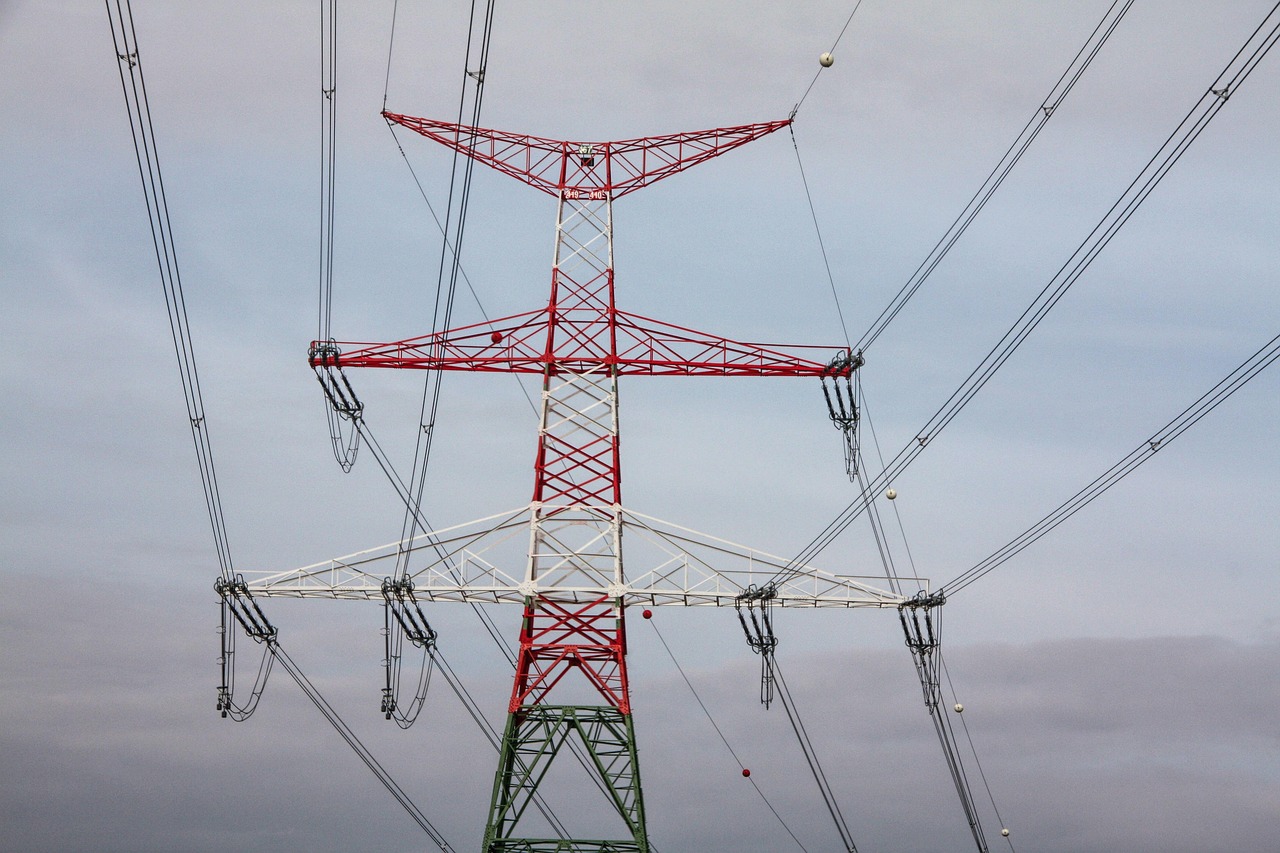
Long transmission lines carry the same power with less current at higher voltage. Lower current reduces heat from wire resistance, leaving more electrical energy available before power reaches your neighborhood transformer.
Two coils wound around a shared iron core let a transformer raise or lower alternating-current potential. Utility equipment raises voltage for transmission routes, then lowers it at substations, street distribution equipment, and your service entrance. That voltage flexibility made AC the dominant electrical grid format.
Thomas Edison backed early DC distribution, while Nikola Tesla promoted AC systems that worked well with transformers. The engineering result matters more than that rivalry: DC can power a home, yet AC made large-scale voltage changes practical across broad utility networks.
Modern equipment narrows the historical divide. Solar arrays, battery banks, data centers, and electric vehicles rely heavily on DC. Your existing service panel and standard receptacles still expect AC power.
Inside a television, a power supply rectifies wall current before feeding its internal circuits. Its power supply accepts mains electricity at the input and produces lower DC voltages for circuit boards, display controls, audio sections, and network hardware.
A rectifier changes alternating input into one-way electrical flow. Capacitors smooth the pulsing result, and regulation circuitry holds the output near a usable level. Your laptop adapter performs those tasks outside the computer in a compact enclosure.
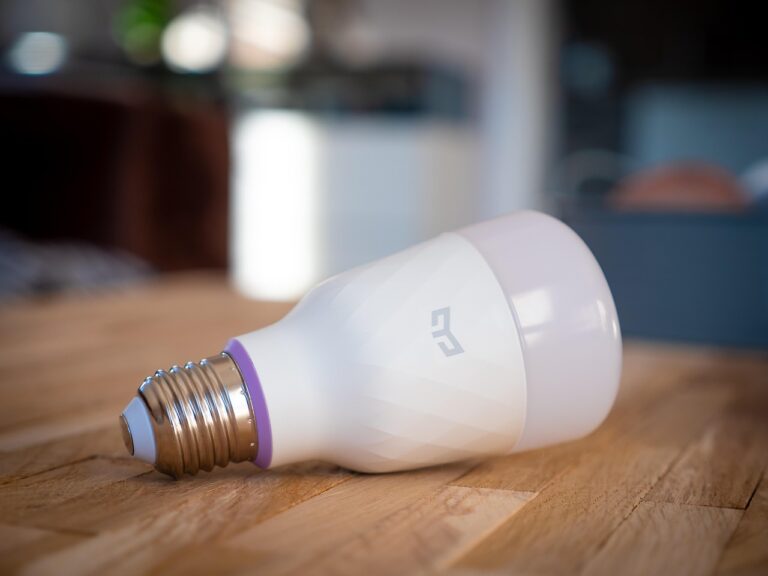
LED lighting follows the same pattern. A fixture receives AC from a branch circuit, while an LED driver sends controlled DC to the diodes. Without suitable conversion, the light can flicker and components can suffer damage.
Your router, game console, cable modem, and phone charger can display an AC input rating and a DC output rating. Read both lines. The input shows what the device accepts from your outlet, while the output shows what it sends to connected equipment.
Batteries store DC, and USB power carries DC at low voltage. Resistance heaters, such as toaster elements, can run directly from mains AC. Some motors run on AC, while others use electronic controls that change incoming power before motor operation.
How electronics convert AC to DC explains why an adapter is not a spare plug. Your device needs the stated DC voltage, polarity, connector, and current capacity. A plug that fits physically can still damage equipment.
Those compatibility rules become especially important when homes combine utility AC with locally generated and stored DC.
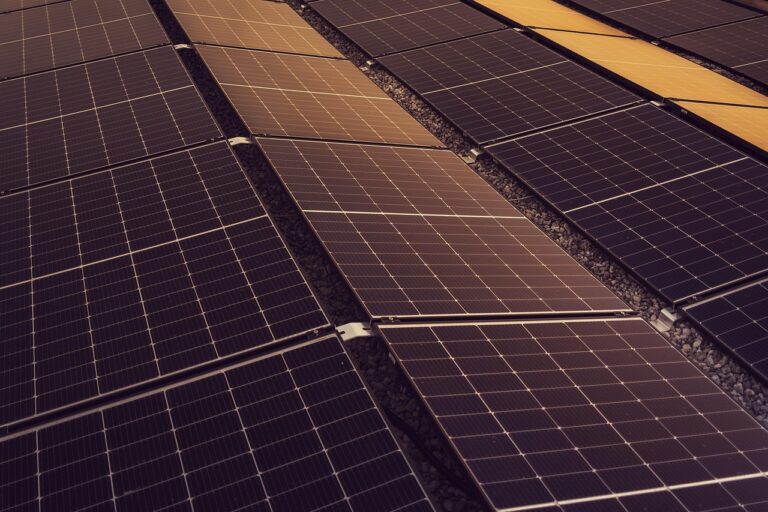
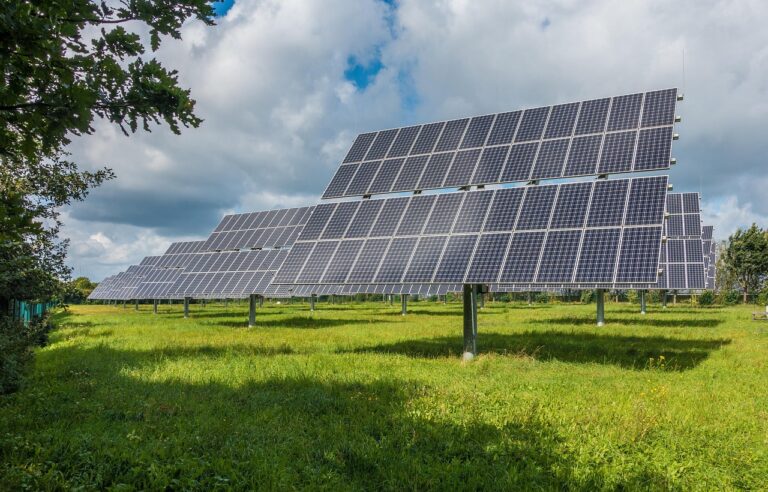
Sunlight striking a photovoltaic panel produces DC, and a battery stores DC. Your rooftop solar array, portable power station, electric vehicle pack, and battery backup system all begin on the DC side of the electrical system.
An inverter changes stored or generated DC into AC for household loads. Your battery backup can then supply selected receptacles, a refrigerator circuit, or another planned load through equipment designed for that installation.
Solar equipment also uses charge controllers to regulate battery charging and keep storage voltage within the equipment limits. Your installation can include a hybrid inverter that handles solar input, battery charging, electrical-grid interaction, and AC output in one enclosure.
A single cable may carry several purpose-specific conductors, but improvised shared circuits must not mix AC and DC. Your insulation rating, conductor size, overcurrent protection, disconnect method, terminal rating, separation, and labeling must suit the system design.
Do not connect a battery bank or solar output to household wiring without listed equipment and a planned transfer method. Your backfeed can energize conductors that utility crews expect to remain de-energized.
AC and DC can occupy the same enclosure only where installation rules account for insulation ratings, separation, and access to live parts. A qualified electrician should handle solar additions, battery storage, EV charging equipment, and mixed-power wiring.
A 5V USB port and a 240V dryer circuit require very different levels of care. Shock risk depends on voltage, available current, the route through your body, contact time, wet skin, source capacity, and protective equipment.
Household-voltage AC can cause severe injury because your body can become part of a live path. DC can also cause severe injury, especially at higher voltages or from battery systems capable of delivering high fault current.
DC arcs can persist because the voltage does not pass through a zero crossing as AC does. AC systems bring separate shock and fire hazards. Your circuit design, fuses, breakers, grounding, GFCI protection, and equipment ratings shape the real exposure.
AC vs. DC electricity in homes becomes clearer once you separate the source from the device requirement. Your wall outlet supplies mains AC, while electronics tend to need regulated DC. The conversion equipment between them must match the job.
Your home uses AC because the grid can move it across distance and change voltage efficiently with transformers. DC remains present in batteries, solar equipment, USB leads, and electronic circuits. Treat voltage, current type, and circuit rating as a matched set, and leave work beyond plug-in equipment to an electrician.
AC reverses direction in a repeating cycle, while DC moves in one direction. Your standard household outlet supplies AC at 60 Hz, while batteries, USB power, and electronic circuits use DC.
In a typical U.S. home, receptacles deliver alternating current from the utility grid. A receptacle rated at 120V delivers alternating current, while a 240V dryer or range outlet also delivers AC through a different circuit arrangement.
AC became the household standard because transformers can raise and lower AC voltage efficiently. That property made long-distance transmission and neighborhood distribution practical before modern electronic converters became widespread.
Your television, phone, computer, and LED light receive AC from an outlet or adapter input, then use DC inside. Their power supplies produce controlled low-voltage DC for displays, processors, batteries, and circuit boards.
A charger uses rectifiers to turn AC into one-way flow, capacitors to smooth the output, and regulation circuitry to hold the required voltage. Your adapter then sends DC through its output cable to the connected device.
Across two hot legs, household service provides alternating current at roughly 240 volts. The 240V label describes voltage between two hot conductors, while AC identifies the reversing direction of the supplied electrical current.