Address
304 North Cardinal
St. Dorchester Center, MA 02124
Work Hours
Monday to Friday: 7AM - 7PM
Weekend: 10AM - 5PM
Address
304 North Cardinal
St. Dorchester Center, MA 02124
Work Hours
Monday to Friday: 7AM - 7PM
Weekend: 10AM - 5PM

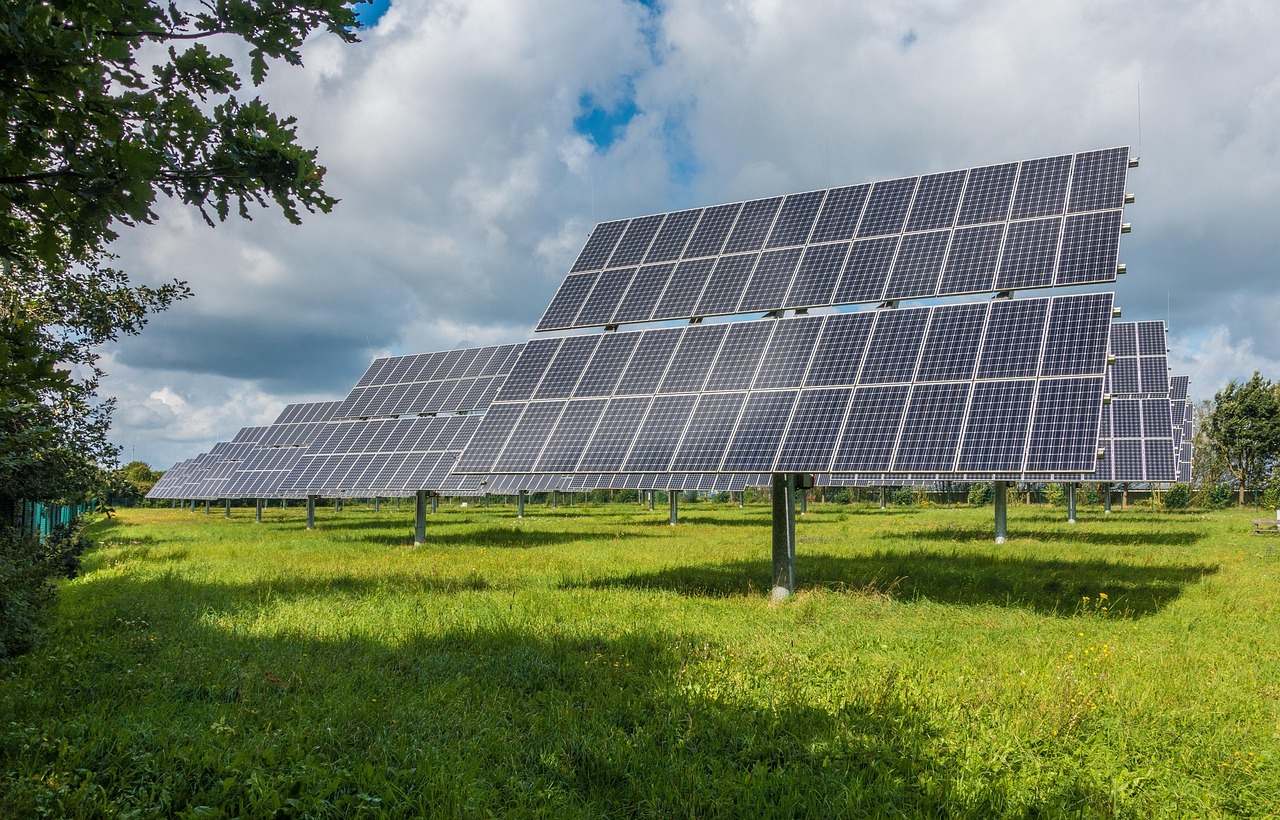
It is a home electricity setup where photovoltaic (PV) solar panels turn sunlight into direct current power, a solar inverter changes that power into household alternating current, and your electrical panel sends it to active appliances, battery storage, or the utility grid.
This explanation follows your power from the roof to the meter, with practical detail on equipment, bills, outages, storage, sizing, and trade-offs for a residential system.
Sunlight activates semiconductor material inside photovoltaic (PV) solar panels. Moving electrons produce direct current, or DC, electricity. Your panels begin producing after daylight reaches the roof, though output changes with sun angle, cloud cover, temperature, roof orientation and shading.
A clear noon sky can produce far more power than a hazy morning. Shade from a chimney, vent pipe, or mature tree can cut output during the affected hours. That changing production explains why your home still draws from the utility grid at certain times.
Most lights, outlets, motors, and electronics use alternating current, or AC. A solar inverter changes rooftop DC into AC and sends it through wiring to your electrical panel. From there, power reaches active loads such as a refrigerator, air conditioner, laptop charger, or laundry machine.
Your electrical panel does not separate solar electrons from grid electrons. It sends usable AC power to circuits that need it at that moment. A dishwasher running at noon can use rooftop output directly, while evening loads use stored energy or grid electricity through the same panel.
An 8-kilowatt solar array rating describes power capacity under laboratory conditions. A kilowatt-hour (kWh) measures energy over time, and your utility bill uses kilowatt-hours. An 8-kilowatt array producing 30 kilowatt-hours on a sunny day delivered energy equal to thirty 1,000-watt devices running for one hour.
That distinction matters during proposal review. Panel capacity tells you the possible rate of production, while annual kilowatt-hour output shows how much electricity your roof can supply across changing weather and daylight hours.
| Part of the route | What happens | What it means for your home |
|---|---|---|
| PV solar panels | Sunlight produces DC electricity. | Your roof starts the energy flow. |
| Solar inverter | DC changes into AC electricity. | Your household circuits can use the power. |
| Electrical panel | AC flows toward active circuits. | Your appliances receive power in real time. |
| Battery or grid | Surplus moves into storage or outward. | Your unused midday production has a destination. |
Panel count alone says little about your bill. The inverter, daytime electricity use, battery controls, roof shading, and utility rules all shape where each kilowatt-hour goes after production begins.
Once DC leaves the panels, several parts move it safely toward your household wiring. Mounting rails hold modules above the roof, flashing seals roof penetrations, and conductors carry DC power toward the inverter. Disconnects and rapid-shutdown equipment allow roof conductors to be de-energized during emergency work.
Your roof condition belongs in this decision. Removing panels for a near-term reroof adds labor and coordination. A roof with limited remaining service life deserves repair or replacement before installation.
| Equipment | Job in your system | Why your choice matters |
|---|---|---|
| PV modules | Convert sunlight into DC power. | Your roof area and shade set useful output. |
| Mounting and flashing | Secure modules and seal penetrations. | Your roof needs to remain weather-tight. |
| Solar inverter | Changes DC into household AC. | Your layout, monitoring, and storage path depend on it. |
| Solar production meter | Tracks solar output over time. | You can spot a weak month or equipment fault. |
| Utility meter | Records electricity entering and leaving your property. | Your bill credits depend on measured flows. |
String inverters group panels into shared circuits, so heavy shade on one module can affect part of that string. Microinverters sit beneath individual panels. Power optimizers condition module output before a central inverter, which can suit roofs with several shade patterns.
Your chimney shade and roof geometry can matter more than a panel label. A design should show panel placement, expected annual kilowatt-hours, inverter type, and the source of any production estimate.
A home solar system with battery storage needs more than panels and an inverter. A solar battery such as a Tesla Powerwall stores electricity, while a backup gateway separates selected circuits from the utility grid during an outage. Battery capacity uses kilowatt-hours, while the battery power rating limits how many large loads can run at once.
Choose backup circuits before choosing battery capacity. Your refrigerator, internet equipment, lights, and a gas furnace blower use far less stored power than central air conditioning, electric resistance heat, or an EV charger.
Inverter architecture affects future storage additions. A battery-ready hybrid inverter can simplify a later battery addition, while an existing array can need an AC-coupled battery with its own inverter. That choice affects how your system handles surplus production.
Before any surplus can be stored or exported, the system must match production against live household demand.
At 1:00 p.m., a 4-kilowatt household load can use 4 kilowatts from a 6-kilowatt solar output without sending that portion through the utility meter. Active appliances use available solar electricity before imported grid electricity fills the shortfall. Your laundry, dishwasher, pool pump, or EV charging schedule can change how much rooftop production stays at home.
This is how does solar energy work in a house during daylight: production and demand meet at the electrical panel in real time. Excess electricity has only two paths: a solar battery storage system or export through the meter.
Panel output can peak near midday, while household demand can peak after sunset. A home empty from 8:30 a.m. to 5:30 p.m. can export a large share of daytime production, then import power for cooking, cooling, and entertainment later.
Consider a house producing 32 kilowatt-hours on a clear June day. Appliances use 12 kilowatt-hours during daylight, leaving 20 kilowatt-hours for battery charging or grid export. Evening loads then use 18 kilowatt-hours, and your battery size plus local export policy shape the remaining grid import.
Battery-equipped systems can send surplus electricity into storage before export, subject to charge limits and selected controls. Without storage, the utility meter records exported electricity. Your utility agreement sets the credit value, and time-of-use rates can make a noon export worth less than an evening import.
Solar production and household demand rarely occur during the same hours. That mismatch explains both nighttime grid use and the separate rules that apply during a blackout.
After sunset, panels produce no electricity. Your grid-connected home draws electricity from the utility grid unless stored energy is available. A battery can send power to selected circuits or an entire home, depending on its capacity, power rating, and backup design.
Cloudy conditions also reduce output rather than stopping it entirely. Dense cloud cover, short winter days, and roof shade can leave your panels producing far below their sunny-day level, so grid power still fills the gap.
Bright sun does not keep a standard grid-tied array running during a blackout. The solar inverter senses the missing utility signal and shuts down so electricity does not flow onto lines under repair. Your panels remain on the roof, but your outlets remain off without battery-backed islanding equipment.
Battery-backed systems form a small local electrical network after disconnection from the utility grid. The battery stabilizes voltage and frequency, then the inverter can use new solar output for household loads and battery charging. Your energy use still sets the limit because an electric range or clothes dryer can drain stored energy far faster than lights and refrigeration.
| System type | Outage behavior for your home | Equipment and planning burden |
|---|---|---|
| Grid-tied solar | Your power shuts off with the grid. | Your setup uses panels, inverter, meter, and interconnection. |
| Battery-backed solar | Your selected loads can stay powered. | Your setup adds batteries, controls, and load planning. |
| Off-grid solar | Your home relies on stored power and backup sources. | Your setup needs large storage, load discipline, and generator planning. |
Off-grid solar power systems for homes fit remote properties without practical utility access, not a casual path to independence. Winter clouds, short daylight periods, and a week of high electricity use require storage and backup generation sized for difficult periods rather than pleasant summer averages.
The utility meter can record power moving in both directions during one billing period, yet your statement can still include fixed charges, taxes, and a minimum charge. Imported kilowatt-hours cover periods where your home needs more power than the roof supplies. Exported kilowatt-hours can earn credits under rules set by your utility and jurisdiction.
Solar output can reduce imported electricity during productive hours, while the meter records surplus moving to the grid. Your statement still reflects the local rate structure, export-credit terms, and electricity used after solar production falls.
Net metering can credit exported electricity at or near the retail rate, subject to local program terms. Net billing uses a separate export rate that can sit below the retail rate. Your interconnection agreement, rather than the panel label, controls how those credits appear on your statement.
| Bill component | Solar effect | What your statement can still show |
|---|---|---|
| Grid imports | Daytime production can reduce them. | Your nighttime use can still add charges. |
| Grid exports | Surplus can earn credits. | Your credit rate follows local policy. |
| Fixed charges | Panels do not erase them. | Your bill retains service-related fees. |
| Time-of-use rates | Battery timing can shift purchases. | Your evening rate can outweigh noon credits. |
A high bill after installation can come from heavier air-conditioning use, winter production drops, new electric loads, tree growth, shade, undersized capacity, or weak export compensation. Check monthly output against your solar production meter before assuming equipment trouble. Your bill needs both imports and exports to show the full picture.
Viewed across a full year, those two flows reveal the consumption a system must realistically offset.
Do not judge solar value from one summer bill. Compare the same billing month year over year, then separate weather-driven electricity use from changes in utility rates and export-credit rules.
Twelve monthly bills reveal the number that drives solar sizing: your annual kilowatt-hour use. A household using 12,000 kilowatt-hours each year needs a different array than a similar-sized home using 24,000 kilowatt-hours for electric heating, a pool pump, and two EVs.
Floor area does not reveal electricity demand. A solar system cost for a 2000 square foot house depends far more on annual kWh use, roof complexity, local labor, electrical upgrades, equipment design, incentives such as the federal solar tax credit, utility rates, and export terms.
South-facing roof planes in the Northern Hemisphere receive strong annual sun, yet east and west roof planes can match useful household demand patterns. Shade from a chimney, vent pipe, or mature oak reduces output during affected hours. High module temperature also reduces production on a cloudless summer afternoon.
Your proposal should identify the roof planes used, their orientation, expected shading losses, and annual production. A 2000-square-foot house with heavy tree cover can produce less than a smaller home with an unobstructed roof.
EnergySage and similar estimate tools can show differing assumptions, but utility tariff details deserve close attention. Your next proposal should list annual production in kilowatt-hours, not only panel capacity in kilowatts, plus the rate assumptions behind projected bill changes.
Lower purchased electricity can have value, but panels also bring a roof-level construction project and a long financial commitment. Solar requires clear sun, a sound roof, permitting, electrical inspection, and utility permission before grid operation. Your roof needs enough remaining service life to avoid panel removal during a near-term reroof.
Yes, but year-round independence needs far more than an average grid-tied array. You need enough panels and solar battery storage for poor-weather stretches, careful backup planning, and a willingness to limit large electric loads during low-production periods.
Start with a roof-condition review and shade survey. Gather a full year of usage data, check local permitting and interconnection rules, then review your utility’s current export-credit terms before requesting proposals. That sequence shows how does solar power work for homes at your address rather than in a broad sales estimate.
Your home does not run on sunlight alone. It runs on a timed exchange among rooftop production, active loads, optional storage, and the utility grid. A well-sized setup can reduce the electricity you purchase, but your roof, daily habits, outage goals, and billing rules decide whether that reduction meets your expectations.
Watch your solar production meter and your utility statement together. A production figure without import data cannot show your bill impact, while a bill without production data cannot show whether the roof system is performing as expected.
Photovoltaic cells inside your panels use sunlight to produce direct current electricity. Your solar inverter changes that DC power into alternating current, and your electrical panel sends the AC power to household circuits that have active loads.
Your setup can include PV modules, mounting rails, flashing, wiring, disconnects, rapid-shutdown equipment, a solar inverter, a solar production meter, a utility meter, and an electrical panel connection. Battery-backed setups also use solar battery storage and a backup gateway.
Most residential systems remain connected to the utility grid. Your home imports electricity after sunset or during low production, and it can export surplus daytime electricity through the meter under local interconnection rules.
Your surplus electricity can charge a battery or move through the utility meter to the grid. Net metering or net billing rules set the credit value for exported electricity, and battery settings set how much surplus stays in storage.
Your panels produce no electricity at night. Cloudy weather reduces output, though panels can still produce some power during daylight. A standard grid-tied system shuts down during an outage, while a battery-backed system can power selected circuits.
A properly sized rooftop array, paired with batteries, load planning, and a backup source, can cover a home’s full energy needs through extended cloudy spells. Remote homes using off-grid equipment face larger storage needs than grid-connected homes.