Address
304 North Cardinal
St. Dorchester Center, MA 02124
Work Hours
Monday to Friday: 7AM - 7PM
Weekend: 10AM - 5PM
Address
304 North Cardinal
St. Dorchester Center, MA 02124
Work Hours
Monday to Friday: 7AM - 7PM
Weekend: 10AM - 5PM

Running a detailing business means juggling a thousand moving parts. You book appointments, track repeat customers, send reminders, follow up after a ceramic coating, and somehow find time to actually wash a car. The right customer relationship management system turns that chaos into a system, and the right reading material sharpens the business thinking behind it.
This roundup pairs ten reads that touch CRM, sales, and data strategy with the practical realities of running a detailing shop. A few are general business classics. One is built specifically for home-based detailing. Together they cover the mindset and the mechanics you’ll need as your client list grows.

The Reluctant UXer’s Field Guide to Salesforce Design

Real Estate Prospecting: Create a Million-Dollar Life

MicroMarketing: Get Big Results by Thinking Small

SAP BusinessObjects BI 4.0 Complete Reference 3/E

Conversations That Win the Complex Sale

The Data Warehouse Toolkit: Dimensional Modeling
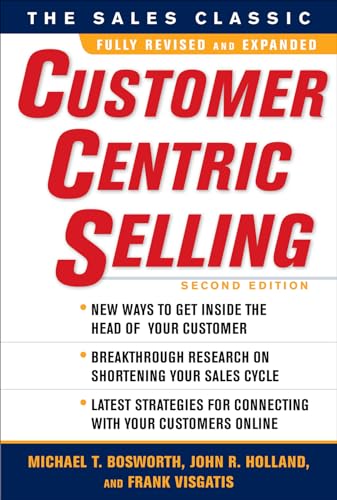
CustomerCentric Selling, Second Edition
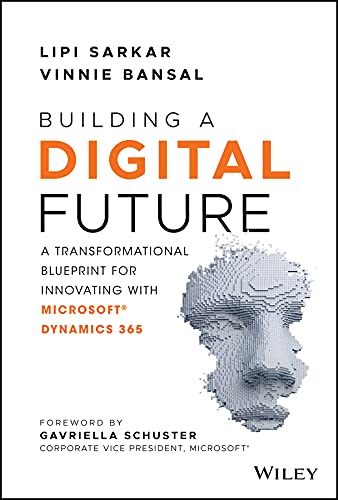
Building a Digital Future with Dynamics 365

Lightning Sales Ops: Salesforce for SDR Teams

How to Start a Home-based Car Detailing Business
Salesforce sits behind a lot of small business CRMs, and this Kindle title aims at the people who inherit an account and have to make sense of it. The book treats Salesforce less like a database and more like a design surface, walking you through the screens your team will actually touch. For a detailing business, that means customizing appointment fields, lead statuses, and follow-up tasks until the CRM matches your service menu instead of the other way around.
The framing leans on user experience design, which is unusual for a CRM book and a bit refreshing. You spend less time memorizing click paths and more time asking why a workflow should look a certain way. Compared to heavier enterprise guides further down this list, this one stays light and approachable.
Shop owners new to Salesforce who need a friendly on-ramp before tackling heavier platform guides.
Your operation is more complex than a single location, in which case Lightning Sales Ops by Matt Bertuzzi will serve you better.
Prospecting is prospecting, no matter the industry, and Tristan Ahumada’s book covers the four-channel version: relationships, online leads, technology, and social media. For a detailing business, the “relationships” lens is the most useful. Detailers survive on referrals, repeat washes, and the friendly mechanic who sends customers your way, and Ahumada spends real time on building that kind of pipeline deliberately.
The technology and social media sections translate well to car care. Lead databases, virtual showrooms, and hybrid follow-ups apply whether you are selling homes or selling a $400 paint correction. The book’s auto-renewal-friendly audiobook format is convenient for owners who learn during their commute.
Owners who know their growth depends on a steady stream of warm referrals and want a structured system for generating them.
You want pure tactical marketing rather than mindset, in which case MicroMarketing by Greg Verdino is the more direct fit.
Most detailing shops do not need mass-market advertising. They need the thirty BMW owners in a three-mile radius to know they exist. Greg Verdino’s MicroMarketing argues exactly that point: stop trying to reach everyone, and start serving a small, well-defined audience with unusual precision. The Kindle edition keeps the door open to highlight and re-read chapters as you build campaigns.
The book shows up best for shops trying to dominate a niche, like ceramic coating enthusiasts, exotic car owners, or fleet accounts. Compared to broader marketing reads, this one stays narrow on purpose. You finish it with a short list of micro-segments worth chasing, not a vague “build a brand” mandate.
Detailers ready to abandon broad marketing and go deep on a defined micro-audience.
You need a prospecting playbook for the relationship channels, where Real Estate Prospecting by Tristan Ahumada is a better companion.
BI, or business intelligence, refers to the tools that turn raw data into dashboards and reports. Cindi Howson’s reference on SAP BusinessObjects BI 4.0 lives in the enterprise corner of that world, and that is precisely why it is here. If your detailing operation grows to multiple locations with separate service menus, the reporting you did in a spreadsheet starts to crack, and a real BI layer becomes worth the cost.
This is the thickest, densest book on the list. It is built for IT and analytics teams, not solo operators. Most solo detailers will never need it, but owners who eventually sell to a regional chain or build a multi-shop brand will appreciate having a reference for the analytics side of CRM and ERP data. In that sense, it pairs naturally with Building a Digital Future later in this roundup.
Operators scaling into multi-location operations where spreadsheets stop being enough.
You run a single shop and just need to send follow-up texts, where The Reluctant UXer’s Field Guide is far more practical.
Detailing is not a simple sale once you add paint correction, ceramic coatings, and interior restoration to the menu. Erik Peterson’s book focuses on the “power messaging” approach: a structured way to frame value before you ever talk about price. That distinction matters when you are quoting a $1,500 correction and the customer has a $300 budget.
The book lives in the complex-sale space, with B2B examples that translate well to premium retail services. Compared to CustomerCentric Selling later in the list, this one focuses more on the upfront framing and differentiation, and less on the back-and-forth discovery. Both have value, and the right pick depends on where your sales conversations break down.
Detailers who struggle to land premium jobs and want a framework for earning the right to quote higher prices.
If your bottleneck is mid-sale discovery rather than upfront framing, CustomerCentric Selling is the better starting point.
Ralph Kimball’s Data Warehouse Toolkit is the canonical reference on dimensional modeling, a method of organizing data so it answers business questions quickly. Most detailing owners will not build a data warehouse, but the underlying ideas help you structure a CRM so that revenue, customer count, and average ticket reports actually line up. The book is also widely cited, so reading it gives you a shared vocabulary with any analyst you eventually hire.
You will not read this in a weekend. It is a hardcover reference that earns its keep on a shelf rather than a nightstand. Owners who treat their CRM as more than an address book will get the most out of it. Everyone else can save it for the growth phase.
Data-minded owners who want a deep understanding of how CRM and reporting fit together as the business scales.
You need a lighter, more hands-on CRM guide, in which case Lightning Sales Ops by Matt Bertuzzi is a more approachable build manual.
Bosworth’s CustomerCentric Selling flips the usual sales script. Instead of pitching features, the book teaches you to run conversations, ask relevant questions, and focus on solutions for business buyers. The four pillars are baked right into the book’s framing: conversations over presentations, questions over opinions, solutions over relationships alone, and decision-makers over users.
For a detailing shop, that translates to asking about driving habits, storage conditions, and budget before quoting a coating. Most owners do this instinctively, but the book gives it structure. The second edition updates the framework for modern buying behavior without losing the original’s clarity.
Detailers who want a steady, repeatable discovery process for quoting ceramic coatings and correction work.
You need help with the upfront value framing, where Conversations That Win the Complex Sale is the stronger pick.
Lipi Sarkar’s book sits in the Microsoft Dynamics 365 camp, and it reads like a transformation blueprint for a mid-sized company. If your detailing business runs on Outlook, Excel, and a stack of paper invoices, Dynamics 365 is one of the more ambitious platforms you could adopt. This title helps you think through the rollout rather than just the features.
Most solo detailers will not pick Dynamics 365, and that is fine. The book is here because some owners do build regional chains, and they need a guide that talks about the whole change, not just the screens. The Kindle format means you can mark up the deployment checklists and reference them later.
Multi-location operators already committed to the Microsoft ecosystem and planning a structured CRM rollout.
For a single-shop Salesforce build, Lightning Sales Ops covers similar ground in a more hands-on way.
SDR stands for sales development representative, and Matt Bertuzzi’s book focuses on building Salesforce for that specific role. Even if you never hire an SDR, the book is useful because the pipeline stages, lead routing, and follow-up tasks it covers translate directly to a detailing shop’s appointment workflow. Your “sales development” looks like quote follow-ups, reminder texts, and post-service check-ins.
This is the most hands-on Salesforce title on the list. Where the UXer’s Field Guide talks about the why, this one talks about the how. It assumes you are willing to click around in the platform and build something real. The trade-off is a steeper learning curve for absolute beginners.
Owners who already use Salesforce or plan to, and want a practical guide to building pipelines and follow-up flows.
For a friendlier on-ramp to Salesforce design, The Reluctant UXer’s Field Guide covers similar ground at a slower pace.
Out of ten titles, this is the only one written specifically for detailing. Renny Doyle’s guide in the Home-Based Business Series walks through the startup side of running a detailing operation from your driveway, including the early decisions on equipment, services, and basic client handling. It is the right starting point if you are still deciding whether to commit.
The book is older than the rest of this list, and the tech references show their age. The CRM and digital marketing chapters do not cover modern tools, so pair this read with a fresher title like MicroMarketing or Real Estate Prospecting. As a foundation, though, it is still useful, and the industry context is rare to find in a single volume.
First-time detailers building a home-based operation who need a starting playbook before they invest in tools or software.
Once you outgrow the startup phase, Lightning Sales Ops gives you a stronger CRM foundation for the next stage.
The right CRM book depends less on the software you run and more on the stage of your detailing business. A solo operator with a Saturday-only side gig has very different needs than a three-location brand, and the titles above reflect that spread.
Start with the books that match your current decision. If you are still deciding whether to launch, Renny Doyle’s home-based detailing guide gives you the industry-specific framing you will not find in generic business books. Once you have customers coming in, the relationship-building focus in Real Estate Prospecting keeps that pipeline healthy without burning you out. The MicroMarketing read is your best friend when you realize your best customers are a narrow slice of car enthusiasts, not everyone with a driveway.
CRM-specific choices split between Salesforce and Microsoft. Salesforce shops should begin with the UXer’s Field Guide and graduate to Lightning Sales Ops once they are ready to build. Microsoft shops looking at Dynamics 365 will get the most from Sarkar’s transformation blueprint. Both paths assume you eventually care about reporting, which is where Kimball’s Data Warehouse Toolkit earns its keep on a future shelf.
The biggest trap in this category is buying a book that teaches enterprise strategy when you need startup tactics. A dense BI reference feels impressive on a shelf, but it will not help you book your next ten ceramic coating jobs. Match the title to the question you are actually asking right now, not the business you hope to run in five years.
Another common slip is treating “CRM” as one topic. The platform books cover the software. The sales books cover the conversations. The marketing books cover the demand. You need pieces of all three, and pretending one book covers everything usually means gaps show up at the worst time.
Higher-tier picks like the SAP BusinessObjects reference and Building a Digital Future with Dynamics 365 cost more because they cover enterprise-scale problems. You are paying for depth on multi-location rollouts, analytics platforms, and transformation programs. Most detailing owners do not need that depth, but a few will, and for them the upgrade is worth it.
Mid-tier titles like Lightning Sales Ops and Conversations That Win the Complex Sale sit in the sweet spot. They cost more than introductory reads because they assume you are ready to do real work in your CRM and your sales process. For shop owners past the startup phase, the jump from a beginner book to one of these tends to pay for itself quickly.
A CRM helps you track every customer interaction, follow up on quotes, and re-engage past clients for seasonal services. Most detailing shops outgrow a notebook or spreadsheet within the first year of consistent work.
The Reluctant UXer’s Field Guide to Salesforce Design is the friendliest starting point. It treats CRM setup as a design problem instead of a configuration task, which keeps it approachable for first-time users.
Some general ideas translate well. Books like CustomerCentric Selling and MicroMarketing apply to any business, even though the examples skew to other industries. Platform-specific reads like the SAP BI reference are more useful once you commit to that stack.
Look for signs that you have outgrown your current tools. Repeating manual tasks, dropping follow-ups, or losing visibility into your pipeline are all signals that it is time for a deeper book on automation, pipeline design, or analytics.
Several titles do. Real Estate Prospecting covers lead generation, MicroMarketing focuses on niche audiences, and Conversations That Win the Complex Sale teaches value framing for premium services.
The right CRM setup turns a busy detailing shop into a predictable operation, and the right reading sharpens the thinking behind it. Start with the title that matches the question in front of you, and let the rest wait until you need them. Build the system, then read the next book.