Address
304 North Cardinal
St. Dorchester Center, MA 02124
Work Hours
Monday to Friday: 7AM - 7PM
Weekend: 10AM - 5PM
Address
304 North Cardinal
St. Dorchester Center, MA 02124
Work Hours
Monday to Friday: 7AM - 7PM
Weekend: 10AM - 5PM

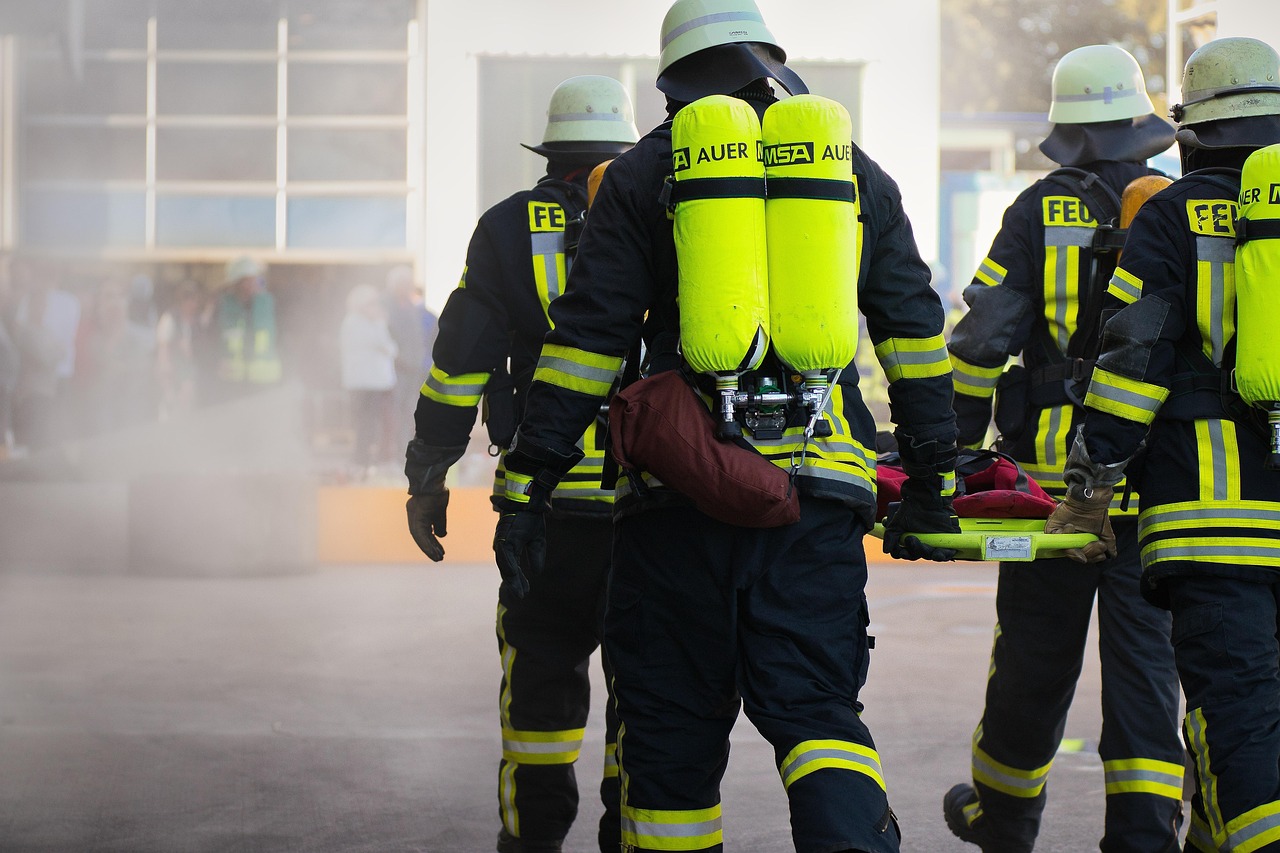
A typical system uses devices and tools to detect smoke or gas, warn your household, limit a small contained fire, and help you leave. Smoke alarms, carbon monoxide alarms, fire extinguishers, fire blankets, sprinklers, and clear exits each cover a different part of the emergency.
This explanation covers detection, placement, upkeep, fire response, and escape planning for renters and homeowners who need a practical setup for every room.
A smoke alarm cannot stop flames, and a fire extinguisher cannot wake your household from sleep. Your protection relies on detection, warning, limited fire control, and escape working in order.
| Equipment role | Examples | What it does for you |
|---|---|---|
| Detection devices | Smoke alarms, heat alarms, carbon monoxide alarms | Sense smoke, heat, or carbon monoxide before you see every hazard. |
| Warning devices | Alarm horns, interconnected alarms, visual alerts | Signal that your household needs to leave without delay. |
| Suppression tools | ABC-rated fire extinguishers, fire blankets, residential fire sprinkler systems | Limit a small fire or slow its spread under narrow conditions. |
| Escape equipment | Clear exits, escape ladders, door hardware, flashlights | Helps you reach a safe outdoor location after an alarm. |
Combination units place smoke detection and carbon monoxide detection in one housing, yet they track two separate threats. Carbon monoxide is an odorless gas from fuel-burning equipment, while smoke contains particles from combustion.
Leave at once after a fire alarm sounds. Equipment buys time, but a fast exit and a 911 call protect you more than trying to fight a growing fire.
That division explains why a carbon monoxide alarm cannot detect smoke and why a smoke alarm cannot control flames. The sensing method inside each device shapes the warning your household receives.
Because a detector responds only to its intended hazard, its location determines whether danger is noticed early enough.
Inside an alarm chamber, smoke particles alter conditions, while heat and carbon monoxide require separate sensing parts. Your alarm type affects the danger it detects and the location where it fits.
| Alarm type | Sensing method | Fire pattern detected well |
|---|---|---|
| Photoelectric smoke alarm | A photoelectric sensor detects light scattered by smoke particles. | Smoldering fires, such as a cigarette igniting upholstery. |
| Ionization smoke alarm | Smoke disrupts a small electrical current inside the sensing chamber. | Fast-flaming fires, such as paper burning in a wastebasket. |
| Heat alarm | A thermal sensor reacts to high temperature or a rapid temperature rise. | Areas where smoke alarms face repeated cooking vapor. |
| Carbon monoxide alarm | An electrochemical sensor responds to carbon monoxide gas. | Fuel-burning appliance failures and vehicle exhaust entering a garage. |
A Photoelectric smoke alarm uses a beam of light aimed away from its sensor. Larger smoke particles drift into that beam, scatter light onto the sensor, and activate the alarm.
Ionization smoke alarms contain a tiny electrical current that smoke interrupts. You gain coverage from both sensing methods because a couch fire can smolder for a long period, while paper or cooking material can flare rapidly.
Heat alarms serve a narrower purpose. A garage or unfinished utility room can need one where dust, fumes, or vapor would trigger repeated smoke-alarm signals, though heat sensing gives your household less warning time than smoke detection.
Carbon monoxide alarms respond to gas rather than heat or smoke. Place them where fuel-burning appliances, fireplaces, attached garages, or vehicle exhaust could expose your household to carbon monoxide.
An alarm placed beside a supply vent can receive diluted smoke or dust-filled airflow rather than a clear sample of room air. Proper placement gives you a stronger chance of hearing the signal before smoke blocks a hallway.
Install smoke alarms inside every sleeping room, outside sleeping areas, and on every level of your home, including the basement. That layout gives your household warning near closed bedroom doors as well as in shared hallways.
Follow the device instructions and local building rules for ceiling or wall distance. Placement guidance from the National Fire Protection Association (NFPA) and NFPA 72 supports alarm coverage inside sleeping rooms, outside sleeping areas, and on every home level.
A loud repeating alarm pattern signals smoke, heat, or carbon monoxide, depending on the unit. Treat that signal as an evacuation emergency rather than searching for its source.
A single chirp at intervals points to a low battery, loose battery drawer, or end-of-life notice. Your unit label explains its sound pattern, but removing a battery to silence the chirp leaves the area without alarm coverage.
Silence nuisance alarms through the alarm’s hush feature, ventilation, or corrected placement. Never disable the device during cooking.
Once the warning reaches your household, fire size and escape access determine whether an extinguisher belongs in the response. A small contained fire still requires a clear route behind you.
Powder from an ABC-rated fire extinguisher interrupts combustion and coats burning material. That action can stop a small household fire, but the label and fire class place strict limits on use.
| Fire situation | Suitable response | Danger to avoid |
|---|---|---|
| Paper, wood, cloth | ABC-rated fire extinguisher for a small contained Class A fire | Trying to fight flames that have reached walls or ceilings |
| Cooking oil in a pan | Turn off heat and cover with a fitted metal lid or suitable fire blanket | Throwing water on grease, which can spread burning oil |
| Small gasoline or solvent fire | ABC-rated fire extinguisher for Class B fuel | Using water, which can spread flammable liquid |
| Energized appliance or outlet | ABC-rated fire extinguisher for Class C hazards | Using water while electrical power remains present |
Fire extinguisher ratings identify the fuel classes a unit can handle. NFPA 10 covers portable extinguisher selection and care, while your extinguisher label gives operating details for that model.
A fire blanket cuts off oxygen around certain small pan fires or clothing fires. Pull the blanket toward you as you lower it over flames, keeping your hands behind the fabric edge.
Residential fire sprinkler systems react to heat at each sprinkler head’s operating threshold, not smoke or burnt toast. Only the head close to the blaze opens, limiting water discharge to the affected area while slowing fire growth.
Even when suppression begins automatically, leaving safely remains the priority once conditions become dangerous.
A portable extinguisher belongs between you and a clear exit, never behind a fire. Use one only after other household members are leaving, 911 has been called, and flames remain small and contained.
Leave immediately where the agent does not knock down flames, smoke thickens, or heat becomes hard to bear. Your exit route can disappear rapidly after fire reaches cabinets, curtains, or a ceiling.
Alert others, get low beneath smoke, and use the planned route out. Close doors behind you where possible because a closed door can slow smoke and flame movement.
Meet outside at the chosen location and stay there. Re-entering for a pet, phone, or bag puts you back into changing conditions that firefighters are equipped to face.
A chirp, dusty alarm cover, or blocked extinguisher cabinet turns working equipment into a weak link. Your home fire safety equipment needs short, regular checks long before an emergency puts it under pressure.
Smoke alarms and carbon monoxide alarms have service lives set by their makers, and sensor age matters even with a fresh battery. Write each end-of-life date inside a closet door or add it to your household calendar.
Store the unit where you can reach it without crossing the kitchen range, fireplace, or garage work area. Check the pin and tamper seal, readable label, cylinder surface, and gauge position where a gauge exists.
Dents, corrosion, a missing pin, or a blocked cabinet call for attention before an emergency. These checks prepare the equipment, but they do not prepare movement through your home.
Two routes from a bedroom give you another path where smoke fills the hall. Your Emergency escape plan should name exits, an outdoor meeting point, and the help each household member needs.
Cooking needs full attention because unattended oil can overheat fast. Keep heating equipment clear of fabric, avoid damaged cords and overloaded outlets, and store matches and lighters where children cannot reach them.
Your room-by-room home fire safety checklist can reveal gaps before smoke or carbon monoxide exposes them. Fire safety equipment for home works better where each room has a clear purpose, accessible equipment, and a usable route outdoors.
| Area | Check | Action for you |
|---|---|---|
| Bedrooms | Alarm inside sleeping room and clear window exit | Add missing alarm coverage and clear the escape path. |
| Kitchen | Extinguisher reachable without passing the stove | Move it to a nearby exit path away from direct cooking heat. |
| Hallways | Alarm outside sleeping areas and uncluttered travel path | Remove storage items that narrow your route. |
| Garage and utility area | Carbon monoxide coverage and safe fuel storage | Check alarm instructions and move flammables away from ignition sources. |
| Whole home | Known meeting place and practiced escape drill | Run the drill and fix every route that slows your household. |
The strongest setup is not a single ceiling device or an extinguisher under a sink. Your home fire safety equipment should detect smoke or gas, wake the household, limit only a small fire where escape stays open, and send everyone outside by a practiced route.
Check each device on schedule, correct gaps room by room, and treat every loud alarm as a reason to leave. That approach matches fire escape guidance from the U.S. Fire Administration (USFA).
Your home needs smoke alarms inside and outside sleeping areas and on every level, plus carbon monoxide alarms where fuel-burning appliances or attached garages create exposure. Keep an ABC-rated fire extinguisher near an exit from cooking areas, maintain clear exits, and use an escape ladder for upper-story rooms without a safe ground-level route.
Built-in sensors detect hazards and trigger a loud warning horn. Photoelectric units react to scattered light from smoke particles, ionization units react to disrupted electrical current, heat alarms react to temperature, and carbon monoxide alarms sense gas through an electrochemical sensor. Interconnected units can sound throughout your home after one device detects danger.
Cooking smoke, steam, aerosol spray, dust, insects, and airflow near vents can activate a smoke alarm or cause nuisance signals. A real alarm can also come from smoldering wiring, burning food, upholstery, paper, or a fast-flaming fire. Treat every loud alarm as a reason to leave until you know the area is safe.
Install smoke alarms inside every sleeping room, outside each sleeping area, and on every level of your home, including the basement. Keep them away from bathrooms, direct supply vents, and cooking appliances according to the maker’s spacing instructions. Your local building department can state added placement rules for your address.
Photoelectric smoke alarms sense light scattered by larger smoke particles, so they respond well to smoldering fires. Ionization smoke alarms sense smoke disrupting a small electrical current, so they respond well to fast-flaming fires. Your household gains broader coverage from both sensing approaches.
An ABC-rated fire extinguisher releases powder that interrupts combustion and coats burning material. Use it only on a small contained Class A, B, or C fire while you have a clear exit behind you, other household members are leaving, and 911 has been called.