Address
304 North Cardinal
St. Dorchester Center, MA 02124
Work Hours
Monday to Friday: 7AM - 7PM
Weekend: 10AM - 5PM
Address
304 North Cardinal
St. Dorchester Center, MA 02124
Work Hours
Monday to Friday: 7AM - 7PM
Weekend: 10AM - 5PM

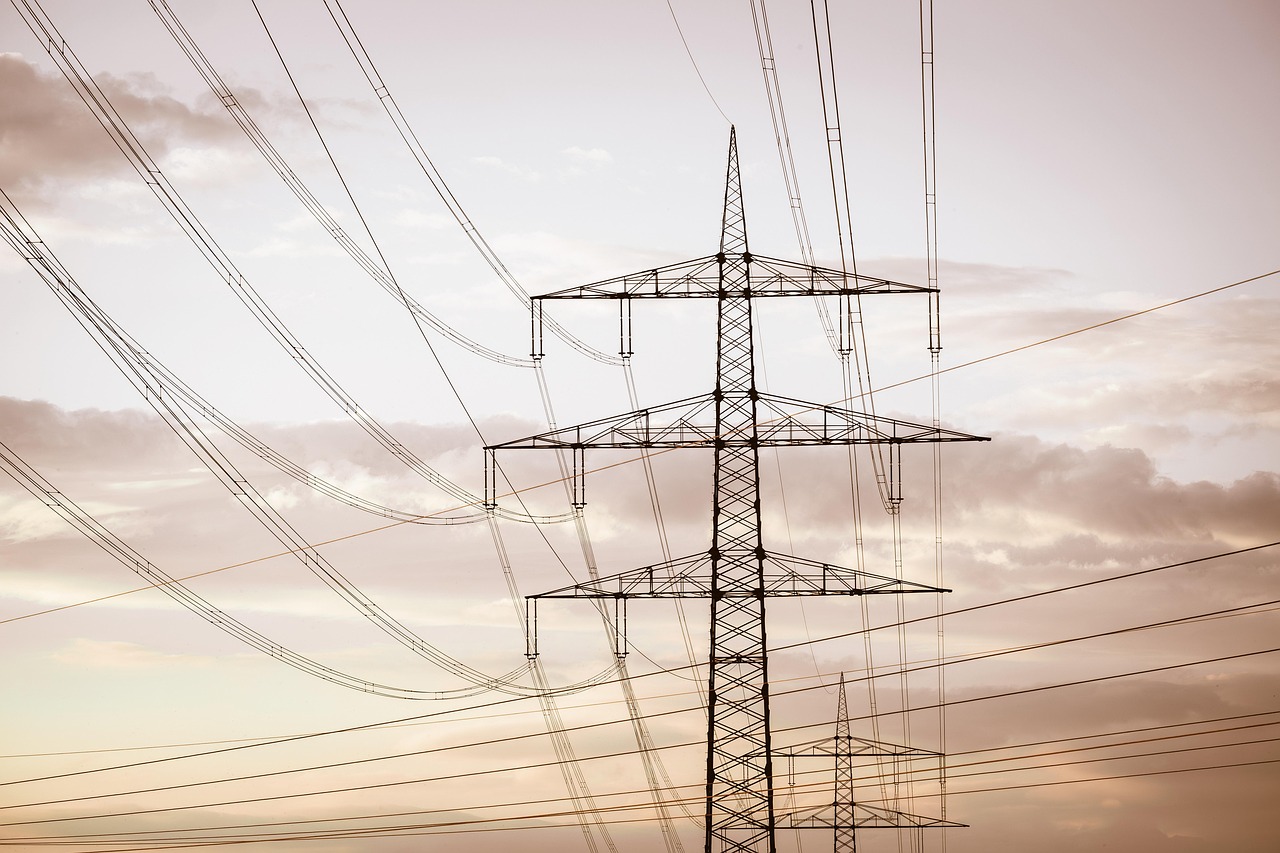
A 120/240-volt service follows a controlled path to lights, receptacles, and appliances before current returns to its source. Behind each switch or outlet, your home depends on panels, breakers, neutrals, grounding, and protective devices that limit shock and fire hazards.
This explanation covers the home electrical system diagram, conductor roles, circuit protection, device connections, and the safety boundaries that affect work inside your home.
Electricity starts outside your walls at a utility transformer that steps distribution voltage down for residential service. Service conductors carry that power to your service entrance, where the electrical meter records usage before electricity reaches your main breaker and electrical service panel.
Three wiring terms identify where conductors travel. Service conductors bring utility power into your home. A feeder circuit carries panel power to downstream equipment, such as a garage subpanel. A branch circuit leaves a breaker and serves final loads, such as kitchen receptacles or bedroom lights.
| Part of the system | Starting point | Destination | Example in your home |
|---|---|---|---|
| Service conductors | Utility connection | Main service equipment | Conductors entering near your meter |
| Feeder | Main panel | Subpanel or major equipment | Garage or workshop subpanel supply |
| Branch circuit | Circuit breaker | Final outlets and loads | Dining room lighting circuit |
A lamp does not use electricity merely because its plug sits near an outlet. Current leaves the panel on an energized hot wire, moves through the lamp’s filament or LED driver, and returns on the neutral wire. Your lamp stays dark after that loop opens at a switch, loose connection, tripped breaker, or failed device.
That return path explains how residential homes are wired in practical terms. Each branch circuit has a controlled route out and back. The panel separates that route into smaller circuits, so a bathroom receptacle fault does not shut down your refrigerator, furnace controls, and bedroom lighting at the same time.
The return path from a lamp is different from the grounding path attached to its metal parts. Your incoming utility service uses split-phase alternating current with two hot legs and a center-tapped neutral. Each hot leg measures about 120 volts to neutral, while the two hot legs measure about 240 volts to each other.
Most lighting, receptacles, doorbells, and plug-in electronics use 120 volts. A 120-volt branch circuit uses one hot wire and one neutral wire, plus an equipment grounding conductor. Your toaster draws current on that hot-neutral loop, while the grounding path waits for an equipment fault.
Large equipment needs more power without extreme current. Electric ranges, clothes dryers, central air equipment, water heaters, and some EV chargers use 240 volts from two hot conductors. A dryer also has a neutral because its timer, drum light, or controls can use 120 volts.
| Conductor | Normal job | What you should know |
|---|---|---|
| Hot | Carries energized supply current | Your hot conductor remains dangerous even with a switch turned off. |
| Neutral | Carries normal return current | Your neutral is grounded at service equipment but still carries load current. |
| Equipment ground | Carries fault current during an equipment fault | Your grounding conductor should carry no normal load current. |
At the main service equipment, the neutral carries return current while the grounding path handles fault current. That single neutral-to-ground bond gives fault current a low-impedance route back to the source. Your circuit breaker can then open quickly during a metal-case fault.
Downstream subpanels keep neutral isolated from the equipment grounding bar. Joining them again in a subpanel puts normal neutral current on metal conduit, appliance frames, and other grounding paths. Your electrician uses separate bars there for a clear safety reason.
Wire colors offer clues, not permission to trust an unknown installation. Black and red identify hot conductors in standard work, white or gray identifies neutral, and bare copper or green identifies equipment grounding. Older work, altered circuits, and faded insulation defeat those clues, so your safety depends on proper verification rather than color alone.
Verified conductor functions let breakers isolate faults and distribute power without relying on potentially misleading insulation colors.
A circuit breaker acts as a gatekeeper with heat-sensitive and magnetic response parts inside it. Your main breaker can disconnect the entire service, while smaller breakers limit current on individual branch circuits. That separation keeps a damaged bedroom circuit from receiving power after a trip.
An overload occurs after connected equipment draws more current than a circuit’s wiring can carry safely over time. A short circuit creates a faster surge by joining conductors that should remain isolated. Your breaker trips in either event, but the cause changes the safe next step.
Do not keep resetting a breaker that trips again. Repeated trips can point to a damaged cord, loose connection, failing appliance, overloaded circuit, or wiring fault inside a wall.
Older homes can have fuses instead of breakers. A fuse opens once and needs replacement, while a circuit breaker resets after the fault is corrected. Neither device makes undersized wiring, loose splices, or overloaded power strips safe.
Breaker rating and wire gauge work as a matched pair. In American Wire Gauge sizing, a smaller number means a thicker conductor. Your 15-amp lighting circuit uses 14 AWG copper in common residential installations, while a 20-amp receptacle circuit uses 12 AWG copper.
| Common use | Breaker and copper wire | Dedicated circuit | Required protection |
|---|---|---|---|
| Lights and general rooms | 15 amps, 14 AWG | No | AFCI in many living areas |
| Kitchen counter receptacles | 20 amps, 12 AWG | Shared kitchen circuits | GFCI, with AFCI rules in many areas |
| Bathroom receptacle | 20 amps, 12 AWG | Required in many layouts | GFCI |
| Laundry receptacle | 20 amps, 12 AWG | Yes | GFCI under many local rules |
| Electric dryer | 30 amps, 10 AWG | Yes | Local code and location control requirements |
| Electric range | 40 to 50 amps, 8 or 6 AWG | Yes | Equipment and local code control requirements |
Those entries are educational examples, not installation instructions. The National Electrical Code (NEC), also called NFPA 70, sets a national model standard. Your locally adopted code controls circuit sizing, wire method, receptacle placement, and AFCI or GFCI rules.
Every branch circuit leaves the panel through cable or conduit and reaches devices through enclosed connection points. Your walls can contain NM cable in dry interior spaces, conduit in exposed locations, and specialized cable near wet, underground, or outdoor areas.
An electrical box gives switches, receptacles, light fixtures, and wire splices a protected enclosure. It holds a device firmly, shields combustible wall material from connection heat, and leaves future repairs accessible. Your ceiling light box must also be rated for fixture weight, while fan-rated boxes carry a separate duty.
Box-fill limits restrict how many conductors, clamps, devices, and grounding conductors can occupy a box. Crowded boxes trap heat and pinch insulation. That calculation uses conductor size and box volume, placing it beyond casual live-work tasks.
A wall switch normally opens the hot conductor rather than the neutral. With the switch off, the fixture’s energized supply path is interrupted. Your bulb replacement still deserves care, because a miswired switch, damaged fixture, or shared circuit leaves unexpected voltage where it does not belong.
A switched receptacle offers a useful example. One half of the outlet can feed a floor lamp through a wall switch, while the other remains energized for a phone charger. Your electrician separates the receptacle’s connecting tab only where the circuit design calls for that arrangement.
Those wiring choices control convenience and load separation, while protective devices respond when current flows where it should not.
A standard breaker watches total current, but it cannot detect every dangerous path electricity can take. Your bathroom, garage, kitchen, crawlspace, outdoor area, and unfinished basement bring water, concrete, metal, and bare skin closer to energized equipment. GFCI protection addresses that shock hazard.
A GFCI compares current leaving on the hot conductor with current returning on the neutral. A meaningful difference indicates current is escaping through an unintended path, such as wet equipment or a person’s body. Your GFCI opens the circuit quickly after it detects that imbalance.
GFCI protection can sit in a receptacle, a circuit breaker, or another protective device upstream. The device can protect its own receptacle or downstream outlets, depending on circuit arrangement. Your built-in TEST and RESET buttons allow a basic function check without opening a box.
Arcing occurs where a loose connection, damaged cord, or crushed cable creates intermittent contact. The spark can be tiny yet intensely hot. Your standard breaker may not trip because total current remains below its rating, so AFCI protection looks for certain hazardous arc patterns.
| Protection type | Hazard addressed | Where your home uses it |
|---|---|---|
| GFCI | Shock risk from leakage to an unintended path | Bathrooms, kitchens, garages, outdoor areas, and damp spaces |
| AFCI | Fire risk from certain dangerous arcing conditions | Bedrooms and many finished living spaces under local rules |
| Dual-function breaker | Ground-fault and arc-fault hazards | Locations where both forms of protection apply |
Neither device substitutes for sound wiring. Your GFCI cannot repair a melted receptacle, and your AFCI cannot correct an overloaded extension cord. A trip gives useful information after new equipment, moisture exposure, or a damaged cord enters the picture.
That clue can guide a safe first check, yet recurring trips or damaged wiring call for expertise beyond a reset.
A panel door can reveal useful details without exposing you to energized parts. Your labels can identify which breaker serves a room, appliance, or subpanel. Clear labeling shortens response time during a water leak, smoke event, or failed appliance.
Leave the panel’s dead front cover in place. Service lugs can remain energized after the main breaker is off, and they carry enough fault energy to cause severe injury. Your work should stop before live panels, concealed cable, service equipment, or energized wiring enters the task.
Local jurisdictions set their own rules for homeowner electrical work. New circuits, panel changes, service upgrades, major rewiring, and many hardwired appliances can require permits and inspections. Your licensed electrician also knows local amendments that differ from the model language in NFPA 70.
Older materials deserve close attention before additions begin. Knob-and-tube wiring lacks a modern equipment grounding conductor and needs professional review before insulation or new loads affect it. Aluminum branch wiring from certain past construction periods needs compatible connectors and devices because poor terminations overheat.
Heat at a receptacle, a burning odor, buzzing, visible sparks, recurring breaker trips, shocks, or cracked insulation signal a condition that needs immediate attention. Turn off the affected circuit only after you can do so without contact with damaged equipment. Your next call should go to a qualified electrician, with emergency services involved for smoke or active fire.
Your three wiring rules are direct: de-energize the circuit, verify it is de-energized with appropriate equipment, and never exceed the rated capacity of wiring or devices.
Rewiring a 2,000-square-foot home has no single dependable figure. Your final expense changes with wall and attic access, existing system condition, panel work, permits, local labor rates, and repair work after cable routes are opened. A house with an accessible unfinished basement presents a very different job from a plaster-walled home with obsolete wiring.
The safest way to understand how home electrical wiring works is to follow the path from utility power through service equipment and protected circuits to each load. Your hot-neutral loop carries normal current, while grounding, GFCI protection, and AFCI protection address separate fault hazards. Observe, label, use built-in safety controls, and call qualified electrical help before work reaches energized or concealed conductors.
Utility service conductors feed the meter, main breaker, and electrical service panel that distribute power throughout a house. Your panel sends power through protected branch circuits to lights, receptacles, and hardwired appliances. Each load operates only after current has a complete route through its intended conductors.
Utility power enters your home through the service entrance and passes through the meter to the main breaker and panel. A branch breaker sends power on a hot conductor to your outlet. Current returns on the neutral after your plugged-in equipment completes the circuit.
Your hot wire carries energized supply current, and your neutral wire carries normal current back to the source on a 120-volt circuit. Your ground wire carries no normal load current. It creates a low-impedance fault path that helps a breaker trip during equipment damage.
An imbalance between hot and neutral current can make a GFCI trip, signaling possible shock-causing leakage. AFCI protection detects certain dangerous arcing patterns linked to fire risk. Your wet and outdoor locations can need GFCI protection, while finished living areas can require AFCI protection.
Your local jurisdiction decides whether owner-performed wiring is allowed, and permits or inspections can still apply. New circuits, panel work, service changes, and concealed wiring carry serious hazards. Your safer homeowner tasks include visual inspection, panel labeling, and built-in GFCI test controls.
Before touching a circuit, shut it off, confirm it is de-energized with appropriate equipment, and respect wiring and device ratings. These rules reduce exposure to energized conductors, overloads, and hidden faults.