Address
304 North Cardinal
St. Dorchester Center, MA 02124
Work Hours
Monday to Friday: 7AM - 7PM
Weekend: 10AM - 5PM
Address
304 North Cardinal
St. Dorchester Center, MA 02124
Work Hours
Monday to Friday: 7AM - 7PM
Weekend: 10AM - 5PM

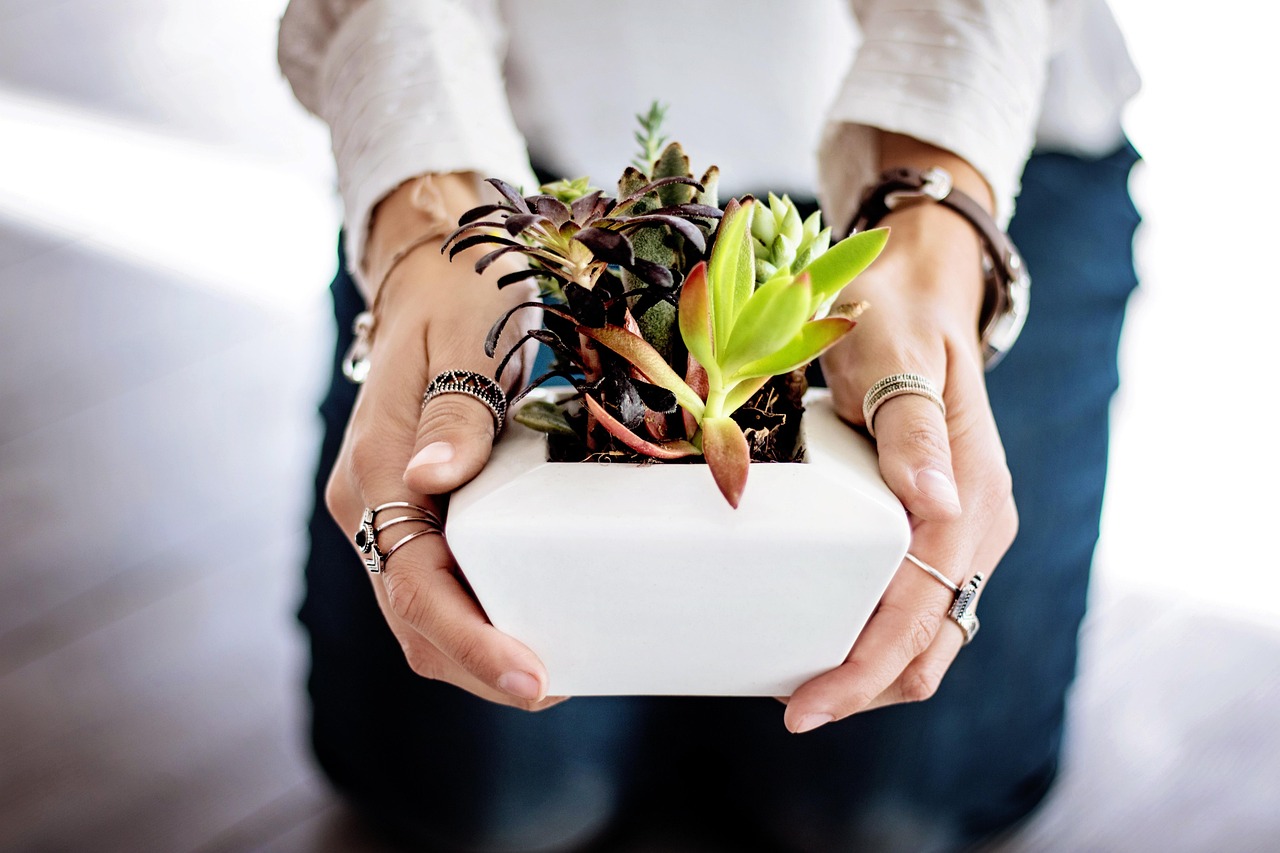
Watering habits, soil moisture, leaf dust, and ventilation all shape the air around your plants. Healthy plants add comfort and catch settled dust, but they will not clear cooking smoke, musty odors, or fine particles from a room. Your care habits matter more than dramatic purification claims.
This discussion suits you if you keep plants in bedrooms, apartments, offices, or allergy-sensitive homes and want practical limits alongside practical care steps.
A pothos on a shelf can make your space feel calmer, yet its pollutant removal is small beside outdoor-air ventilation, a vented exhaust fan, or mechanical filtration. Leaves release water vapor through transpiration and collect some settled dust. Your home’s ventilation and air exchange rate has far more influence on pollutant levels.
Plants add texture, color, and a living focal point to a room. That visual effect can make your desk or bedroom feel more pleasant. A healthy fern near your workspace is a comfort feature, not a room-scale filter for smoke or fragrance emissions.
The pot creates the clearest link between indoor plant care and air quality. Clean foliage, suitable soil moisture, and dry saucers add little burden indoors. Stagnant water, decaying leaves, and pest activity can leave a stale odor near your furniture.
Keep plants for comfort and appearance. Use source control, outdoor-air ventilation, and mechanical filtration for pollutants that affect your lungs.
Labels that describe a species as an air purifier simplify a building-science issue. A snake plant in bright light, a cactus in a dim hall, and six damp tropical plants on one shelf create very different conditions. Your room size, window habits, HVAC operation, and moisture level matter more than a species name.
Indoor air quality includes gases, particles, humidity, odors, allergens, and biological material. Each concern needs its own response. A leaf can hold settled dust, but it does not pull fine particulate matter from moving air with the force of a HEPA air purifier.
That gap between a leaf’s passive surface and active filtration also explains why lab results can overstate household performance.
The difference between a sealed chamber and a lived-in home explains why plant claims can sound stronger than real household results. NASA Clean Air Study experiments placed plants in controlled chambers, where certain plants and root-zone microbes took up some volatile organic compounds, or VOCs. Doors, HVAC cycles, and outdoor air change those conditions inside your home.
VOCs are gases released from paints, pressed-wood products, fragrances, solvents, and similar materials. In a chamber, a plant has extended contact with a fixed volume of air. Your living room has air movement from door gaps, fans, heating equipment, and outdoor-air exchange.
NASA examined plants partly for tightly controlled habitats with unusual space and air-handling limits. A normal house has different airflow, different pollutant sources, and larger air volume. Your strongest VOC response starts with the emitting material, not the nursery shelf.
A systematic review of indoor plants and air quality reached a practical finding: plant-only VOC control would need an impractical number of plants in most rooms. Results change with chamber volume, pollutant type, airflow, and plant species. Three pots on a windowsill do not have enough leaf area to manage room-scale gas levels.
Fresh paint in a 12-by-14-foot bedroom gives you a familiar example. Opening windows during safe outdoor conditions, running exhaust ventilation, and staying out of the room until odors fade lowers exposure more directly than placing six peace lilies near the wall. Plants can stay part of your decor while ventilation handles the contaminant load.
That evidence answers the question, do indoor plants reduce VOCs in real homes. Plants can take up a small amount under favorable conditions, but household quantities are too limited for VOC control. Lower-emission materials and airing out new furnishings give you a clearer path.
Carbon dioxide, water vapor, chemical gases, and airborne particles do not respond to plant care in the same way. Daylight powers photosynthesis, so leaves take in carbon dioxide, or CO2, and release oxygen. Your room’s CO2 level still responds far more to occupancy and ventilation than to a tabletop plant.
CO2 rises indoors as you and other occupants breathe, especially in a closed bedroom overnight or a crowded home office. A leafy plant uses a small fraction of that gas during daylight. Its leaf area and airflow are far too limited for room-scale CO2 control.
Night brings a different form of gas exchange. Houseplants respire in darkness and release small amounts of CO2, as other living things do. Sleeping near healthy plants is fine for most households, and your real concerns are damp soil odors, strong floral fragrance, or allergy symptoms.
Broad leaves catch dust that has already settled from the air. A rubber plant near a sunny window can show a gray film after two weeks. Wipe each leaf with a damp cloth, then rinse or switch cloths so you do not spread the same dust across the plant.
Particulate matter, including PM2.5, is much smaller than visible dust and can remain airborne for long periods. Pan smoke, wildfire haze, and combustion particles can reach deep into your lungs. HEPA air purifiers move air through dense filter media, while plant leaves wait for air to reach their surfaces.
| Indoor-air concern | What a houseplant does | What controls it more directly |
|---|---|---|
| VOCs from paint or fragrance | Small uptake in limited conditions | Source reduction and outdoor-air ventilation |
| CO2 in a closed room | Minor daylight uptake | Window use or mechanical ventilation |
| PM2.5 from smoke | Little reliable capture | HEPA filtration with suitable CADR |
| Settled dust | Leaves collect some surface dust | Damp wiping and vacuuming |
| Dry indoor air | Local water-vapor release | Humidity measurement and moisture control |
Transpiration moves water from soil through roots and leaves into nearby air. Several watered plants near a radiator can make that corner feel less dry. Your hygrometer gives you a more useful answer than the feel of the room alone.
Keep relative humidity between 30% and 50% where conditions allow. Below 30%, dry eyes, dry skin, and static electricity become more noticeable. Above 50%, mold and dust mites find better conditions near cold windows, bathrooms, and exterior walls.
Claims that a plant removes 78% of airborne mold need the same chamber-versus-home caution. No potted plant removes the moisture source behind mold growth or protects an occupied room from mold spores. Your response to visible mold starts with finding the water source, drying affected material, and correcting the building problem.
Potting mix becomes one such moisture source when it stays wet long enough to support fungal growth.
A sour smell from a container signals that the root zone has remained wet too long. Saturated mix holds less oxygen around roots, which encourages root rot and mold growth. Your nose can detect a musty odor before foliage shows visible damage.
Persistent soil moisture can grow visible fungal patches, produce odors, and raise the chance of fungus gnats. The concern grows in rooms with condensation, leaks, existing dampness, or humidity above 50%. This is why can overwatering plants cause mold indoors has a clear answer: yes, damp soil can add a local moisture problem.
Fungus gnats breed where moist organic material gives larvae a feeding area. Adult gnats near a pot are irritating, but they also point to excess moisture. Let the suitable root-zone depth dry before the next watering rather than masking the smell with fragrance.
Dead roots add food for biological growth. A plant can look green above the soil while roots below are decaying from excess water or a container without drainage. Your next repotting gives you a chance to remove black, mushy roots and compacted mix.
Fallen leaves caught between the pot rim and soil stay wet after watering. Spent flowers, old moss, and leaf litter break down in that narrow space. Remove debris promptly, especially near your bed, where you spend several hours close to the container.
Dust mites depend on moisture in the environment. A saucer holding water for several days adds evaporation beneath the pot. Empty the saucer after drainage stops, then return the container to a dry surface.
Visible mold on potting mix does not prove that your home has widespread mold, but it signals that soil moisture needs attention and the nearby area deserves a dampness check.
Bathrooms with weak exhaust, basement rooms, and windowless laundry spaces already carry a moisture burden. A cluster of plants there adds water vapor where it is least welcome. Your safer placement is a brighter room with air movement and a steady humidity reading.
Allergy-sensitive homes also benefit from low-fragrance varieties and clean containers. Strongly scented blooms can bother fragrance-sensitive guests without a pollen allergy. Keep flowering plants away from pillows, HVAC returns, and crowded bedside tables where spilled water stays unnoticed.
Drainage turns watering into a brief event instead of a lingering root-zone problem. A container needs a drainage hole, a saucer, and potting mix suited to the plant. Your watering schedule should follow pot weight, soil depth, season, and available light rather than a calendar alert.
Bright windows, summer heat, small pots, and active growth use water faster. Low light slows water use, even in a warm room. Press a clean finger one to two inches into the mix for common foliage plants, then water after that zone feels dry unless your plant needs a different moisture level.
Succulents need longer dry intervals than peace lilies. A peace lily can wilt from dryness and recover after watering, while a jade plant is more vulnerable to repeated wet roots. Your plant label gives a starting point, but leaf firmness and soil feel tell you more than a seven-day routine.
Clean foliage helps leaves receive available light. Dust makes a plant look dull, while wiping gives you a close look at scale insects, webbing, and soft spots. Wash your hands before touching glossy leaves because skin oils can leave streaks.
A larger container does not solve every weak plant. Extra soil around a small root ball stays wet longer, which repeats the same root-rot condition from the original pot. Choose a container only slightly wider than the root mass, with an opening that allows water to leave.
Fresh mix helps after root rot, heavy compaction, or a serious gnat issue. Avoid reusing soil that smells musty or contains decayed roots. Your replacement mix should stay loose enough for air movement and suit the plant rather than being packed down after repotting.
Indoor plant care and air quality improve together through these small habits. Drying time, leaf cleaning, and debris removal do more for a healthy room than claims of exceptional purification. Smoke and fine particles still need building-level controls.
Smoke, moisture leaks, fragrance sprays, and cooking fumes add more pollution to a room than foliage can remove. Source control means reducing or removing the material that releases the pollutant. Your strongest air-quality step starts before a filter or plant has work to do.
Run kitchen exhaust during frying, broiling, and high-heat searing, then leave it on long enough to clear lingering odors. Bathroom exhaust removes shower moisture where steam forms. Your fan should vent outdoors rather than move humid air around the room.
Fragranced candles, aerosol sprays, and harsh cleaners can release irritating gases and particles. Choose less-fragranced products where sensitivity is a concern, and store solvents tightly closed outside living spaces. A plant beside the bottle does not change the emission source.
Water stains, peeling paint, and repeated window condensation call for repair rather than more greenery. Mold spores follow moisture. Dry the material and correct the water entry path, since neither a plant nor a filtration unit fixes wet drywall or carpet.
Outdoor air dilutes indoor VOCs and CO2 during periods with safe outdoor conditions. A cracked window can help in a quiet neighborhood with clean air. Wildfire smoke or heavy traffic changes that choice, so your local outdoor conditions should guide window opening.
Mechanical systems also matter. A balanced ventilation system brings in and exhausts measured amounts of air, while a range hood and bath fan focus on source areas. Reducing indoor pollutants and improving ventilation work together, a position also stated by the American Lung Association.
Clean air delivery rate, or CADR, describes how much filtered air a unit delivers for a pollutant category. Match CADR to your room size, then run the unit at a speed you can live with for long periods. Your unit needs enough airflow to cycle room air repeatedly.
| Air-quality task | Most direct tool | Role for houseplants |
|---|---|---|
| Wildfire smoke and PM2.5 | HEPA filtration with suitable CADR | Plants remain decorative |
| Cooking moisture and odors | Vented range hood | Keep pots away from grease buildup |
| High bedroom CO2 | Outdoor-air or mechanical ventilation | Small daytime uptake only |
| Damp soil and gnats | Drainage and reduced watering | Your care routine matters most |
| Visible settled dust | Damp wiping and vacuuming | Clean leaves hold less dust |
Houseplants versus air purifiers is not a close comparison for smoke, pollen, and PM2.5. A HEPA unit uses forced airflow and filter media, while leaves depend on nearby air contact. Keep plants that suit your space, but leave particle control to filtration and source control.
A thriving plant is a small part of a healthy room, not an air-treatment system. Your routine should keep potting mix from staying wet, clear dead debris, wipe dusty leaves, and hold humidity near 30% to 50%. Use ventilation for gases and CO2, source control for emissions, and HEPA filtration for particles.
That division gives indoor plant care and air quality a realistic place in your home. Plants still bring comfort and visual interest, but clean air depends on the moisture, emissions, airflow, and particle sources around them.
Houseplants can make your room feel more comfortable, catch some settled dust, and add a small amount of nearby humidity. Their effect on whole-room VOCs, CO2, smoke, and PM2.5 is too small to replace your ventilation, source control, or mechanical filtration.
Persistent wet soil can grow surface mold, cause root rot, produce musty odors, and attract fungus gnats. Your risk rises in a damp room or a home with existing moisture problems. Drainage holes, empty saucers, and suitable drying time reduce that burden.
Even the hardiest houseplant cannot reliably remove 78% of airborne mold from an occupied room. Such figures can come from narrow experimental conditions. Your effective mold response is finding and fixing moisture, drying affected materials, and cleaning visible growth safely.
Sleeping near healthy plants is fine for most people because their nighttime CO2 release is very small. Keep your bedroom plants dry enough, clear fallen leaves from pots, and avoid strongly scented blooms where fragrance or allergy symptoms disturb your sleep.
No single species earns that title in a real home because your ventilation rate, pollutant source, room size, and plant care matter more. Choose plants that fit your available light and watering habits. A healthy plant with dry-rooted soil is a better choice than a stressed plant marketed for purification.
Plants can take up some VOCs and CO2, while leaves catch some settled dust. Their effect on whole-room gases, PM2.5, and mold spores remains too small for household air control. Your stronger response is source reduction, ventilation, moisture repair, and filtration suited to the pollutant.